
I asked for some recommendations for HTML link checkers on the Write the Docs Slack channel. Here’s what people recommended:
Author: philamericus
Words that are Their Own Opposites?
Some words have two meanings, where the meanings are complete opposites. For example dust means to apply dust and also to remove dust. You can dust crops, which applies chemicals to them, or dust furniture, which removes the dust.
See 17 Words That Are Their Own Opposites for the full article.
CSS Custom Variables
Here’s how to use custom variables in CSS.
Step 1: Define your variables at the root level.
:root {
    --PhilMagenta:  #7E2452;
}
JavaScript: Local vs. Online Scripts
I had an issue after inserting a script for the Google Tag Manager into <head> the section of my online docs.
Everything worked fine when the docs where online. But, whenever I opened one of the pages locally on my computer, it would load the main frame and then pause for about 20 seconds before loading the TOC.
The solution was to add some code to the script to determine if it is online (HTTP) or running from a local file.
Flare: Inline Code Formatting
One of the toughest parts about formatting text in Flare is dealing with code blocks… until now. Use this process to insert formatted code. It preserves all the spaces and line breaks.
Remove All BookMarks
Sometimes MS Word documents can get loaded with useless bookmarks. Here is a macro to remove them:
Sub RemoveAllBookmarks()
Dim objBookmark As Bookmark
Dim objBookmark As Bookmark
For Each objBookmark In ActiveDocument.Bookmarks
objBookmark.Delete
Next
End Sub
PowerPoint: Change that Template
To change the template in a PowerPoint document:
Design -> Themes -> (click drop down arrow at end of themes) -> Browse for themes…
Select the template, then Apply.
[Source Powerfinish]
Flare: Add a Copy Button to Code Blocks
MadCap has a blog post about adding a copy button to code blocks in Flare, found here.
Here’s what I had to do to get it working:
Step 1: Download the clipboard JavaScript and put it in your Resources/Scripts folder:
https://github.com/zenorocha/clipboard.js/archive/master.zip
Are You a Man or a Bloke?
I recently tested the Mad Quality Plugin for Flare, which is a rule-checking application that uses various rule sets to check your text (kind of like the grammar checker in Word). The tool is a useful plug-in for Flare. Maybe I’ll review it in another post.
One of the sample rule sets checks for British English (see the list below). Now, I really like finding all the differences between British and American English. I know what trainers are and sometimes I wear a jumper. But, I have no idea what some of the ones in this list mean.
Make APIs Look Nice with Shins
Anyone who is documenting or using APIs has probably come across a new, slick web interface for viewing APIs, like the one in this image:
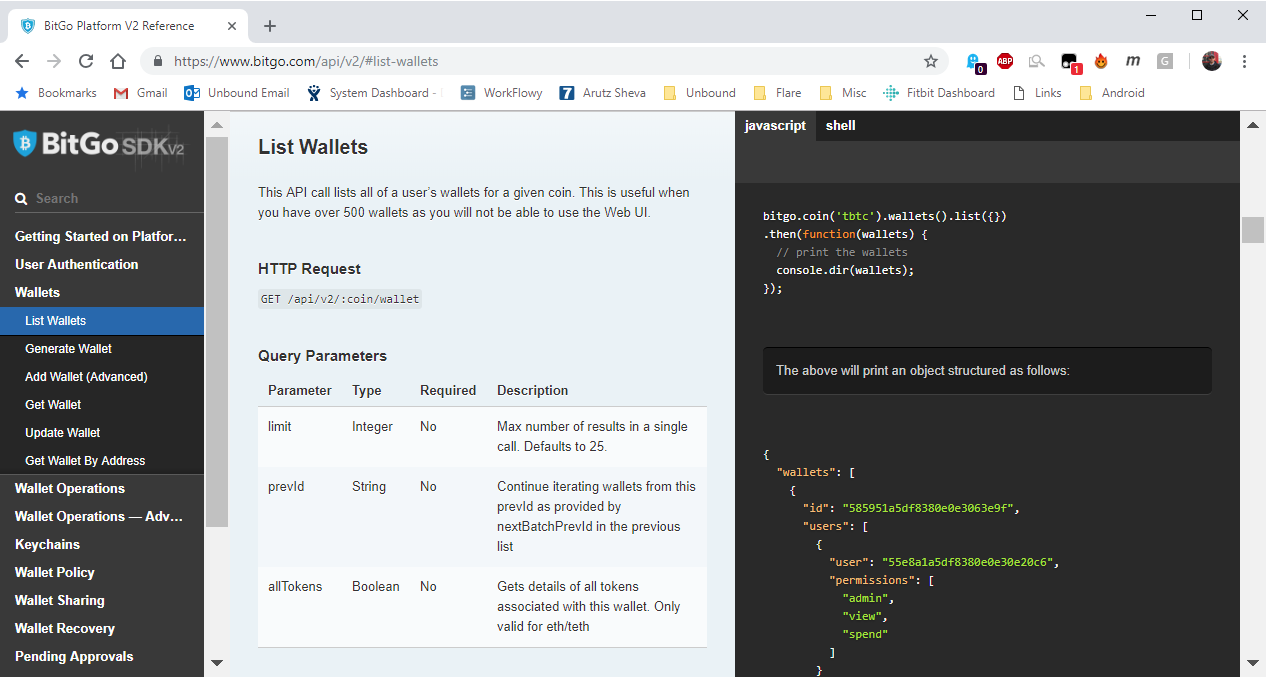
So, what is this interface? And how do I get my APIs to look like it?
This interface is called Slate. It provides a 3-pane view, with a TOC, the API reference, and code samples. Unfortunately, I am running a Windows machine, and I couldn’t get Slate to install.
 Phlogtastic